
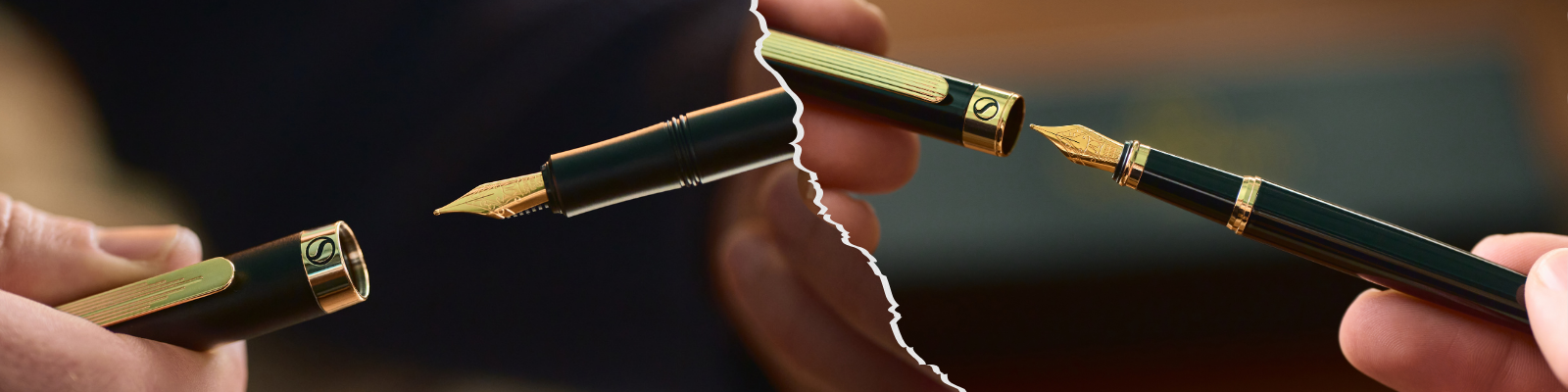
How to Fix a Scratchy Fountain Pen Nib: Causes, Fixes and Prevention
Why Does My Fountain Pen Feel Scratchy?
A fountain pen is designed to glide across the page with very little pressure. When the nib feels scratchy or catches on the paper, the experience quickly becomes frustrating.
The sensation is usually caused by small issues such as paper texture, dried ink residue, or slight misalignment of the nib tines. With a few simple checks, it is often possible to restore the smooth writing performance that fountain pens are known for.
Many writers encounter this when first using a fountain pen. Fortunately, most scratchiness has simple causes and can usually be resolved with a few quick checks. We've assembled this useful article to help you understand the issue better, and find a proper solution.
Understanding what causes scratchiness is the first step. Once the source of the problem is clear, the solution is often straightforward.
What Makes a Fountain Pen Feel Scratchy?

A scratchy nib can result from several different factors. Some relate to the pen itself, while others come from the writing surface or the way the pen is used.
Misaligned Nib Tines
The nib of a fountain pen is split into two narrow halves known as tines. These tines should sit evenly beside one another so that both tips touch the paper at the same time.
If one tine sits slightly higher than the other, the nib may catch on the paper in certain directions. This is one of the most common reasons a fountain pen feels scratchy.
Misalignment can happen through accidental pressure, dropping the pen, or occasionally during manufacturing.
Dry Ink Flow
Fountain pens rely on liquid ink flowing smoothly from the feed to the nib. If the flow becomes too dry, the nib may feel less lubricated on the page.
Dry flow can be caused by:
-
ink residue building up in the feed
-
ink that naturally writes on the dry side
-
a pen that has not been cleaned for some time
A dry nib often feels rougher, even when the tines themselves are properly aligned.
Rough or Absorbent Paper
Paper plays a significant role in how a fountain pen feels during writing. Highly absorbent or fibrous paper can catch the nib tip, creating the impression that the pen is scratchy.
Smoother papers designed for ink pens usually allow the nib to glide more comfortably across the surface.
Writing Angle and Pressure
Fountain pens are designed to write with very light pressure. Pressing too firmly against the page can force the tines apart slightly and make the nib feel sharp or resistant.
Similarly, rotating the pen too far to one side may cause only part of the nib tip to contact the paper, which can create a scratchy sensation.
Read also: How to Write with a Fountain Pen: Everything a Beginner Must Know
How to Fix a Scratchy Fountain Pen Nib
Once the possible causes are understood, resolving the problem often becomes a simple process of elimination.
Check the Paper First
Before adjusting the pen, consider the writing surface.
If the paper is highly textured or absorbent, switching to a smoother notebook may immediately improve the writing experience. Many fountain pen users find that better paper alone resolves what initially feels like a nib problem.
Clean the Fountain Pen
Dried ink residue can interfere with smooth ink flow. Cleaning the pen is often the simplest and most effective first step.
Rinse the nib and feed section with lukewarm water until the water runs clear. Allow the pen to dry fully before refilling with ink.
Regular cleaning helps maintain consistent flow and keeps the writing experience smooth.
Check the Nib Alignment
If the nib still feels scratchy, it may be worth examining the tines.
Hold the pen so that you are looking directly at the nib tip. The two tines should appear level and symmetrical.
If one tine sits slightly higher, very gentle adjustment may restore alignment. This should be done carefully, applying minimal pressure. If the misalignment appears significant, professional adjustment is usually the safest approach.
Read also: Fountain Pen Nibs: The Complete Guide to Choice & Care
Adjust Your Writing Pressure
Many people transitioning from ballpoint pens apply more pressure than necessary.
A fountain pen should write under its own weight. Allowing the nib to glide across the page with minimal pressure often improves smoothness immediately.
Try a Different Ink
Some fountain pen inks are formulated to write slightly wetter than others. A wetter ink can provide more lubrication between the nib and the paper, which may reduce scratchiness.
If the pen writes well but feels slightly rough, experimenting with a different ink can sometimes make a noticeable difference.
When a Scratchy Nib Needs Professional Adjustment
Most scratchiness can be resolved through cleaning, paper changes, or small adjustments. Occasionally, however, the issue may require professional attention.
Consider seeking expert help if:
-
the nib appears visibly bent
-
the tines are significantly misaligned
-
the pen scratches heavily in all directions
-
adjustments do not improve the writing feel
A nib specialist can carefully realign or polish the nib to restore smooth writing.
How to Prevent Fountain Pen Nibs from Becoming Scratchy
Preventative care helps maintain consistent writing performance over time.
A few simple habits make a difference:
-
Clean the pen periodically to prevent dried ink buildup
-
Avoid pressing heavily while writing
-
Store the pen capped when not in use
-
Use paper suitable for liquid ink
These small practices help preserve both the nib and the overall writing experience.
Writers who regularly use fountain pens quickly learn that smooth writing depends as much on care as on the pen itself. Small habits — such as periodic cleaning and using suitable paper — help maintain the performance that well-made writing instruments are designed to deliver.
Read Also: What Makes Fountain Pens Write Smoothly?
Frequently Asked Questions
Is it normal for a new fountain pen nib to feel scratchy?
A new nib should generally feel smooth from the start. Very slight feedback can occur depending on the nib design and paper used, but noticeable scratchiness usually indicates misalignment, paper texture, or ink flow issues rather than a break-in period.
Why does a fountain pen feel scratchy in one direction only?
Scratchiness in one writing direction often indicates that one nib tine sits slightly higher than the other. When the pen moves across the page in certain directions, the raised tine can catch on the paper fibres.
Can fountain pen ink affect how smooth the nib feels?
Yes. Some inks write wetter and provide more lubrication between the nib and the paper. A wetter ink can sometimes make a pen feel smoother, especially if the current ink writes on the dry side.
Can a scratchy fountain pen damage paper?
If the nib is severely misaligned or sharp, it may catch paper fibres and cause tearing or feathering. Minor scratchiness is usually harmless, but persistent catching suggests the nib should be inspected.
Should you polish a scratchy fountain pen nib yourself?
Nib polishing should be approached with caution. While enthusiasts sometimes use specialised materials to smooth a nib, improper polishing can permanently damage the tipping. If the nib requires significant smoothing, professional adjustment is usually recommended.

Leave a comment
This site is protected by hCaptcha and the hCaptcha Privacy Policy and Terms of Service apply.