
Article: Fountain Pens: A Complete Guide to Nibs, Ink, Filling Systems and Writing Experience
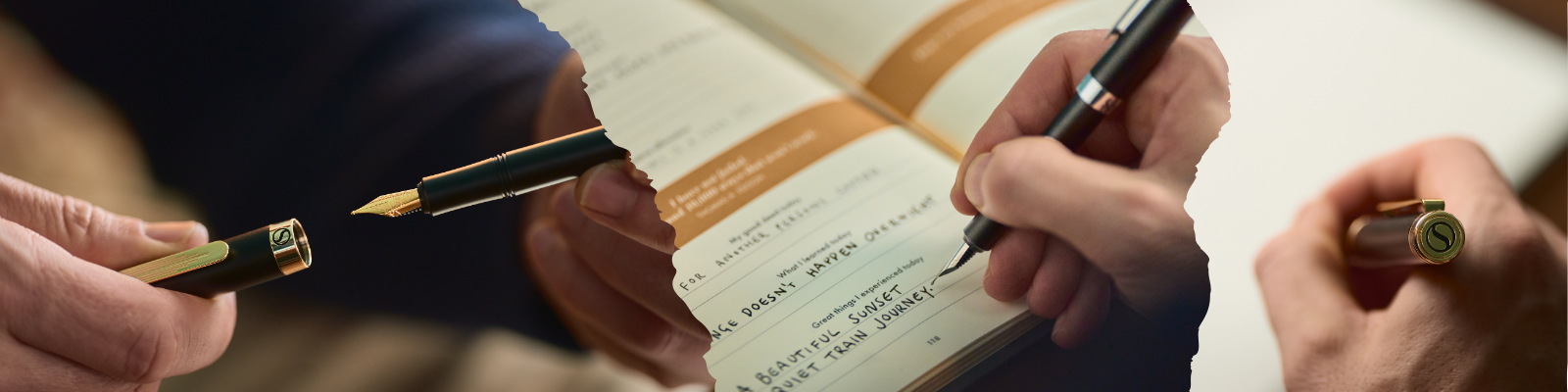
Fountain Pens: A Complete Guide to Nibs, Ink, Filling Systems and Writing Experience
A Fountain Pen
Among modern writing instruments, few carry the same sense of craftsmanship and intention as the fountain pen. While disposable pens dominate everyday writing, fountain pens remain valued by writers, professionals, and enthusiasts who appreciate a smoother and more deliberate writing experience.
Unlike ballpoint pens, which rely on thick oil-based ink and pressure against the page, fountain pens use liquid ink that flows naturally through the nib. This allows the pen to glide across the paper with minimal effort, producing a consistent and expressive line.
Understanding how fountain pens work helps explain why they continue to appeal to writers in an increasingly digital world. From the design of the nib to the choice of ink and filling system, each element contributes to the distinctive character of fountain pen writing.
This guide explores the fundamentals of fountain pens, including how they function, the different types of nibs available, the ways ink is supplied, and the simple habits that keep a fountain pen writing smoothly for years.
What Is a Fountain Pen?
A fountain pen is a writing instrument that delivers liquid ink to the page through a metal nib. Ink travels from an internal reservoir through the feed and onto the nib tip, where it flows onto the paper by capillary action.
This design allows ink to move continuously and smoothly without requiring heavy pressure from the writer. Instead of pressing the pen into the page, the nib simply glides across the surface while ink flows naturally to the paper.
Most fountain pens contain three essential components:
-
The nib, which touches the paper and shapes the line of ink
-
The feed, which regulates ink flow from the reservoir
-
The ink reservoir, which stores the ink inside the pen
Together, these parts create a balanced system that delivers consistent ink flow during writing.
To put it simply, a fountain pen is a writing instrument that uses liquid ink delivered to the page through a metal nib. Ink flows from an internal reservoir through the feed and reaches the nib by capillary action, allowing the pen to write smoothly with very little pressure.

How Fountain Pens Work
Although fountain pens appear simple from the outside, the writing mechanism relies on a carefully balanced interaction between several components.
The Nib
The nib is the most recognisable part of a fountain pen. It is typically made from stainless steel or gold and ends in a rounded tip that contacts the paper.
A narrow slit runs through the centre of the nib, dividing it into two small halves known as tines. Ink travels along this slit and reaches the tipping material at the end of the nib, where it is transferred onto the page.
The shape and width of the nib influence how the pen writes. Different nib sizes produce different line widths and can subtly affect the overall writing experience.
The Feed
Located directly beneath the nib, the feed is responsible for regulating ink flow. It contains small channels that draw ink from the reservoir and deliver it to the nib in a controlled manner.
At the same time, the feed allows air to travel back into the reservoir. This exchange keeps the ink flowing steadily rather than flooding the nib.
The interaction between the nib and feed is what allows a fountain pen to maintain consistent writing without excessive pressure.
The Ink Reservoir
Every fountain pen needs a source of ink stored inside the pen body. This is usually supplied through one of two systems: cartridges or converters.
Both systems allow the pen to carry liquid ink while keeping the internal mechanism relatively simple.
Fountain Pen Ink: Cartridges and Bottled Ink
Fountain pens can use different methods to store ink inside the pen. The two most common systems are ink cartridges and converters.
Ink Cartridges
Cartridges are small, sealed containers pre-filled with fountain pen ink. They are inserted directly into the pen and replaced once empty.
Many beginners appreciate cartridges because they offer a simple and clean way to start using a fountain pen.
Converters and Bottled Ink
A converter is a reusable reservoir that allows a fountain pen to draw ink from a bottle. This system offers greater flexibility, as bottled ink is available in a wide range of colours and formulations.
Many experienced fountain pen users prefer bottled ink because it provides more options and can be more economical over time.
Why Fountain Pens Write So Smoothly
One of the qualities that sets fountain pens apart is the sensation of smoothness when writing.
This smooth writing experience comes from several factors working together.
First, fountain pens use liquid water-based ink, which naturally lubricates the contact between the nib and the paper. This lubrication reduces friction and allows the nib to move more easily across the page.
Second, the nib is designed to write with very light pressure. Unlike ballpoint pens, which require pressure to rotate the ball and release ink, fountain pens allow ink to flow through capillary action.
Finally, the rounded tipping material at the end of the nib helps the pen glide across the surface of the paper.
So, to conclude: fountain pens write smoothly because liquid ink flows continuously from the nib onto the paper. Unlike ballpoint pens, which require pressure to roll a ball mechanism, fountain pens rely on capillary action, allowing the nib to glide across the page with minimal friction.
Different Types of Fountain Pen Nibs
Fountain pen nibs are available in several sizes, each producing a different line width.
The most common nib sizes include:
-
Fine nibs, which produce a narrow and precise line
-
Medium nibs, which offer a balanced line suitable for everyday writing
-
Broad nibs, which produce a wider, more expressive stroke
Different nib sizes allow writers to choose a pen that suits their handwriting style and personal preference.
How to Use a Fountain Pen
Using a fountain pen requires only a few small adjustments compared with other types of pens.
Writing Pressure
Fountain pens are designed to write with minimal pressure. Allowing the pen to glide across the page naturally produces the best results.
Writing Angle
Holding the pen at a comfortable angle allows both tines of the nib to contact the paper evenly. Extreme angles can affect how the nib interacts with the surface.
Starting Ink Flow
If a fountain pen has not been used for some time, a few gentle strokes on the page are usually enough to restart the flow of ink.
With a little familiarity, most writers quickly find that fountain pens feel intuitive and comfortable.
Common Fountain Pen Problems and Simple Solutions
Even well-made fountain pens occasionally encounter small issues. Fortunately, most are easy to address.
Scratchy Writing
If a fountain pen feels scratchy, the cause may be paper texture, dried ink residue, or slight misalignment of the nib tines.
Inconsistent Ink Flow
If the pen skips or writes unevenly, cleaning the nib and feed often restores proper ink flow.
Hard Starts
A pen that has been left unused for some time may take a moment for the ink to reach the nib again. Light strokes on the page usually restart the flow.
How to Care for a Fountain Pen
Proper care helps ensure a fountain pen continues writing smoothly.
Simple maintenance habits include:
-
rinsing the pen occasionally to remove dried ink residue
-
storing the pen capped when not in use
-
refilling ink before the reservoir becomes completely empty
With regular care, a fountain pen can remain reliable for many years of writing.
Are Fountain Pens Good for Beginners?
Many people assume that fountain pens require experience to use, but modern designs are often straightforward and approachable.
Because fountain pens require very little pressure, some writers find them more comfortable for extended writing sessions. With cartridges or converters, refilling the pen is also relatively simple.
For those curious about trying a fountain pen for the first time, beginner-friendly models can provide an accessible introduction to this style of writing.
Why Fountain Pens Still Matter
Despite the prevalence of digital tools and disposable pens, fountain pens continue to attract writers who value a more intentional writing experience.
The combination of smooth ink flow, balanced design, and thoughtful craftsmanship creates a connection between writer and page that many people find deeply satisfying.
For some, a fountain pen becomes more than a practical tool. It becomes part of a daily routine—used for journaling, note-taking, correspondence, or simply the quiet pleasure of writing by hand.

Frequently Asked Questions
Are fountain pens better for handwriting?
Many writers find that fountain pens encourage a lighter grip and smoother movement across the page, which can make handwriting feel more natural.
Do fountain pens require special paper?
While fountain pens work on most paper, smoother paper generally produces the best results and prevents excessive ink absorption.
Are fountain pens difficult to maintain?
Routine care is simple. Occasional rinsing and refilling are usually enough to keep a fountain pen writing reliably.
Why do fountain pens sometimes feel scratchy?
Scratchiness can occur if the paper is rough, the nib tines are slightly misaligned, or dried ink interferes with ink flow.
How long does fountain pen ink last?
Ink longevity depends on how frequently the pen is used and the size of the reservoir, but a typical fill often lasts many pages of writing.

Laisser un commentaire
Ce site est protégé par hCaptcha, et la Politique de confidentialité et les Conditions de service de hCaptcha s’appliquent.